Research to Artifact — turn source material into finished deliverables
You already have the material: documents, notes, links, data. The work is choosing the output form and the steps between — report, brief, presentation, or memo — and getting there without losing the evidence. This hub maps the territory and routes you into a working method.
Turning research into a finished artifact is not a writing problem — it is a
sequencing problem. The material exists; what's missing is the order of
operations: pick the evidence worth keeping, decide who the output is for,
choose the form that fits the decision at hand, and check the result against
its sources before anyone acts on it. Teams that skip a step ship a
beautiful artifact nobody trusts, or an honest artifact nobody reads.
The task map
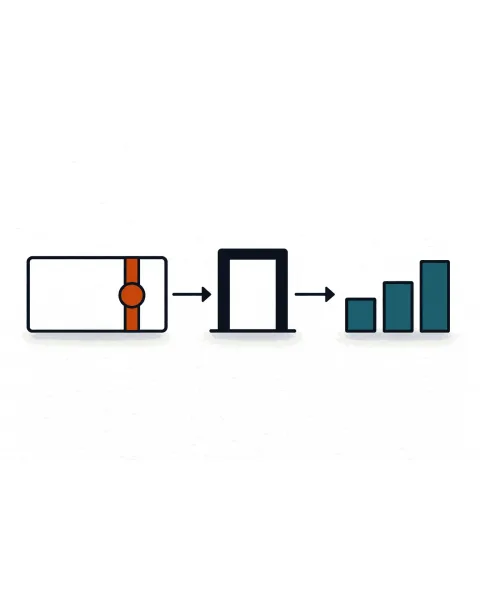
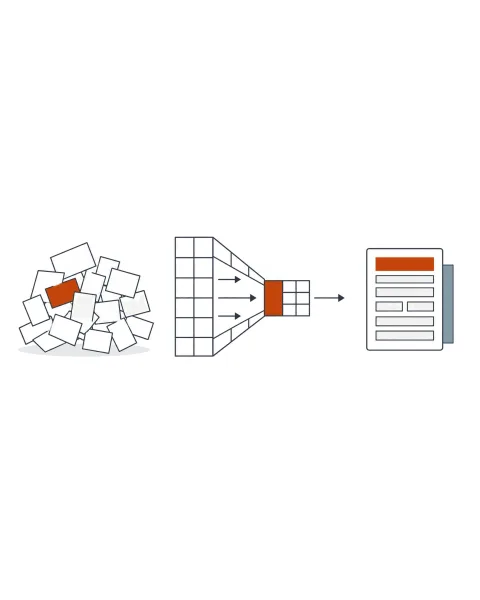
Every path through this territory crosses the same six processing steps,
whatever the output:
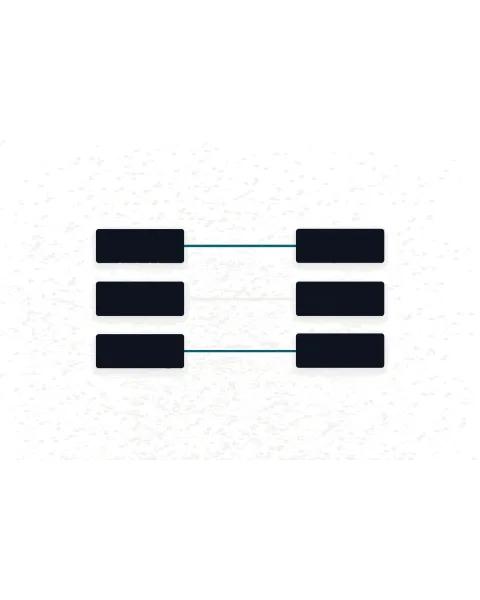
Inputs
Processing
Outputs
PDFs and documents · web pages and links · interview notes and transcripts · raw data and metrics
Filter the evidence · define the audience · build the structure · choose the form · human approval · quality check
Executive report · visual brief · presentation · web page · decision memo · social content pack
Two failure modes account for most bad deliverables, and both are avoidable:
Evidence loss — the summary asserts things the sources don't support.
The fix is a citation audit, not more writing.
Form mismatch — a 40-page report for a decision that needed a memo, or
slides for a reader who wanted a file. The fix is choosing the form before
drafting.
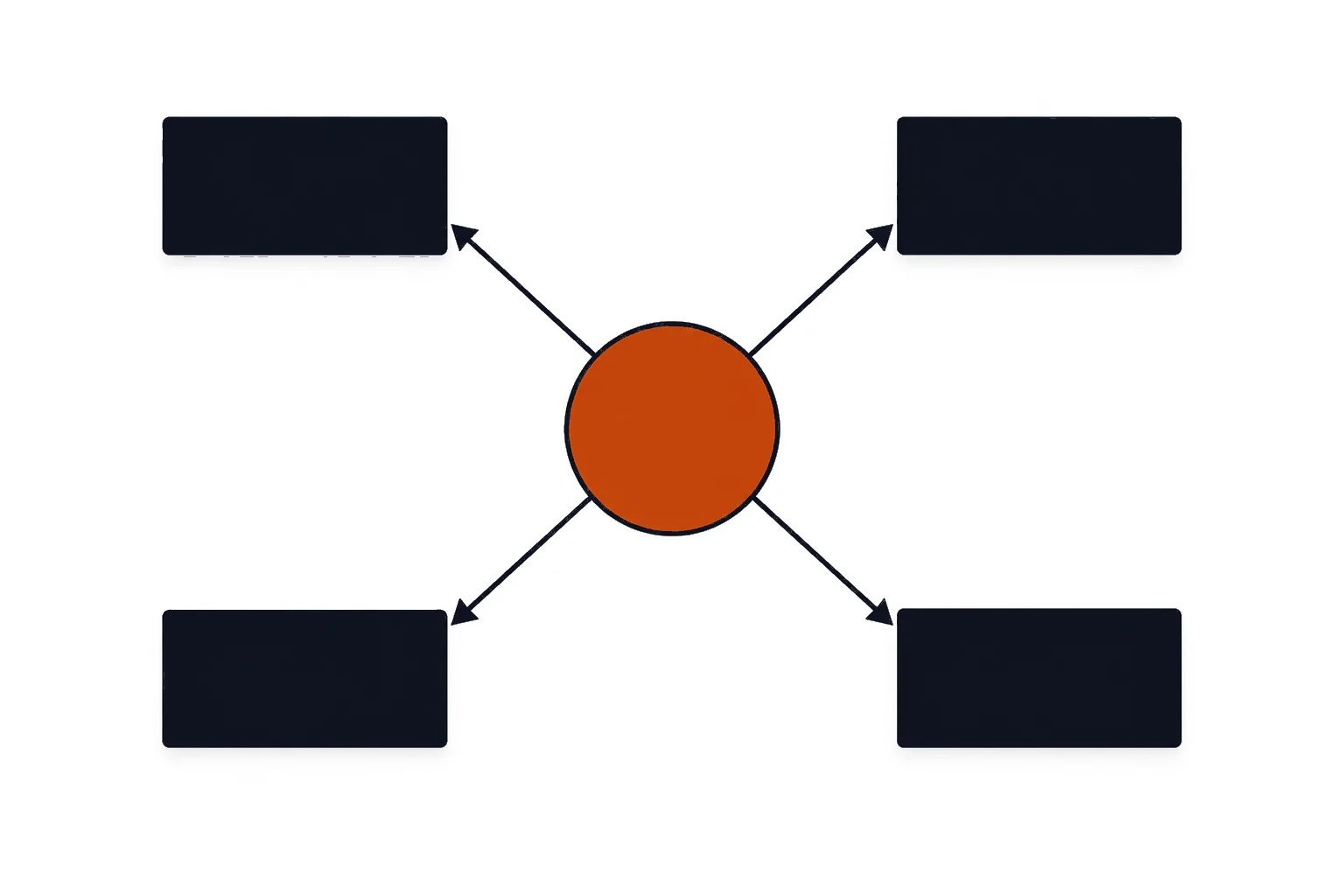
Same research, four deliverables — the method is the hub, not any one output.
Choose your deliverable
Answer two questions and this routes you to a working method — with the
output form pre-selected so the tool starts from your goal, not a blank page.
Choose my deliverable
Where to start: the documented methods
Each of these is a documented method with reusable assets — steps, prompts,
checklists, and the real inputs and outputs from our own runs. Not import
files, not templates: methods you can audit.
Research to Executive Report —
the full path from messy research notes to a decision-ready report in
seven steps, with the prompt, the report skeleton, an 18-item acceptance
checklist, and a worked example generated in AtomStorm Studio and recorded
verbatim — including the mistakes it made. Start here if your goal is a
decision.
Evidence & Citation Checklist —
a 14-point interactive audit for any draft: sources exist, quotes and
numbers are real, gaps are declared. Run it in the page and carry the
failed items into a revision. Run it on your draft before anyone else does.
What's next in this cluster
The map above covers more ground than these two resources. In progress:
a compression workflow for long documents to visual briefs, a decision
matrix for report-vs-presentation-vs-web-page, and a planner tool that
outputs a full deliverable plan from your constraints. Each ships only when
it carries the same evidence standard as the two above — a documented
method, real runs, and the original files.
If you write long pieces, paste a draft and get two numbers: words per non-paragraph element — how often you break the text up — and bold spans per 100 words. Chinese included: characters are counted and converted by a divisor stated on the page. Runs in the page. No account.
We tested 48 _redirects rule forms on a local Pages simulator, three requests each, with four controls. 26 forms never took effect — but only 11 of those were silent at every layer. Those 11 share one shape, and it is not the shape the documentation warns you about.
If you run AI evaluations: six rules for pinning one down so tightly that you cannot bend it after the results arrive — each one traced to the specific independent-review round that caught us breaking it. Includes a method template, a pre-flight checklist, and a deviation-log format that stays honest when the method turns out to be wrong mid-run.
Paste a Cloudflare Pages _redirects file and see which rules were observed to fail — separated by whether anything warns you. The dangerous class is the one that gets counted as valid and never matches. Runs in the page. No account.
The 301 is the easy part. The hard part is knowing which URLs disappeared — which needs an append-only ledger of what you actually shipped, a gate that reads the build product rather than the sitemap, and a redirect written in a form that does not fail silently. Method, checklist, ledger format, and the three source and destination forms that failed in our matrix — two of them named at parse time, one of them silent at every layer.
A 14-point audit for any report — AI-drafted or not: sources exist, quotes and numbers are real, gaps are declared. Run it in the page, copy the result, take the failed items into a revision. No account.
A documented method with reusable assets for turning messy research notes into a decision-ready executive report — steps, prompt, skeleton, acceptance checklist, and a worked example with the real input and the real Studio-generated output.